
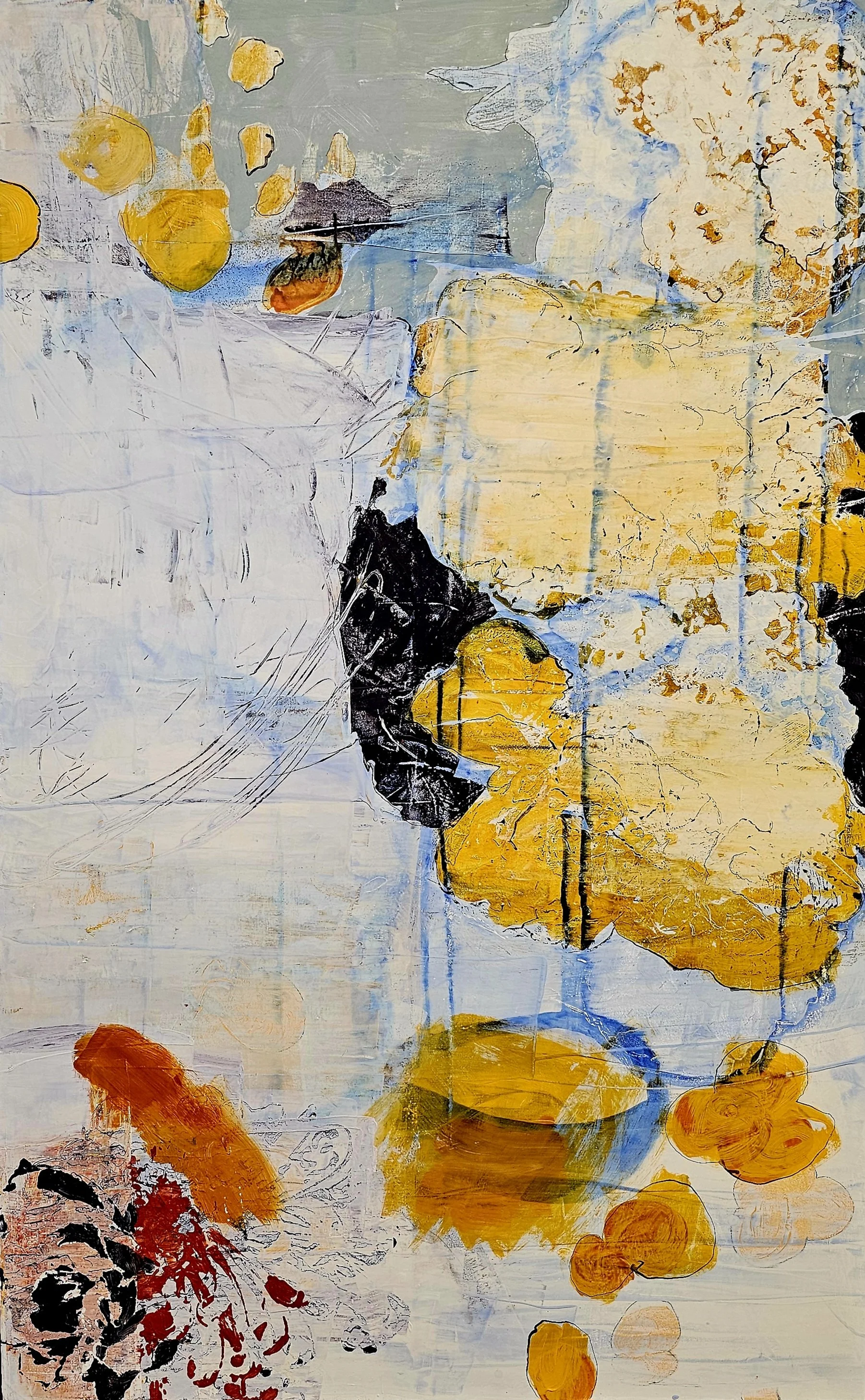
 Image 1 of 1
Every extraordinary painting begins beneath the surface.

Discover how the preparation and manipulation of painting surfaces can transform your artistic expression. In this two-day, hands-on workshop, we will explore the exciting possibilities of creating richly textured surfaces and then bringing them to life through acrylic painting.

Day One: Preparing the Surface

Our first day will focus on exploring a variety of substrates, sealing techniques, acrylic grounds, and textural applications. Through demonstrations and guided experimentation, you will learn to prepare canvases and wood panels, incorporate collage materials such as vintage book pages, tissue paper, and newsprint, and build expressive textures using gesso, plaster, and acrylic mediums. We will explore how different materials create unique surfaces, introducing depth, pattern, and history before the first brushstroke of color is applied.

Day Two: Painting the Surface

On our second day, we will transform our prepared surfaces into expressive acrylic paintings. Explore how paint responds to the textures, marks, and layers created on Day One. Through demonstrations and individual exploration, we will investigate transparent and opaque color, glazing, expressive mark-making, composition, and the relationship between textured surfaces and painted imagery. Learn to work with the unexpected qualities of your prepared surfaces, allowing underlying patterns and textures to guide your creative decisions. We will explore ways to reveal, conceal, and integrate these layers, creating paintings rich in luminosity, movement, contrast, and visual depth.

Throughout both days, emphasis will be placed on experimentation, personal expression, and discovering new possibilities within your own artistic practice.

Rather than treating surface preparation and painting as separate activities, we will explore how they work together, creating a dialogue between what lies beneath and what emerges through the painting process.

This workshop is suitable for beginning through experienced artists, and encourages creative freedom, curiosity, and the development of an individual visual language. You will leave with several prepared surfaces, paintings in progress or completed works, and a collection of techniques to incorporate into your future paintings.

Diane Williams and Chuck Potter both hold a Master of Fine Arts in Studio Art and Consciousness studies from John F Kennedy University, Berkeley, California. They studied at the University of Hangzhou China, incorporating calligraphy, traditional Chinese landscape painting, and Chinese medicine with their western art practices. Their studios are in Crockett, Benicia, and Greenville.

Websites:  www.dianewilliamsart.net  www.chuckpotterart.net

Fee:   Members $300; Non-members $350

Where:  Marin Museum of Contemporary Art; 1210 Fifth Avenue, San Rafael (at B Street)

---

Student Materials List

1. Papers & Collage Materials

Bring a variety of papers with interesting textures, patterns, or personal meaning. Suggestions include:

- Pages from old books
- Handwritten letters or photocopies
- Vintage papers and documents
- Old posters, maps, or sheet music
- Handmade and textured papers
- Other interesting collage materials

Many of these papers will be partially or completely covered during the painting process, so please bring nothing too precious!

2. Acrylic Paints

I recommend professional-quality acrylic paints such as GOLDEN Artist Colors. Although student-grade paints cost less initially, professional paints generally provide greater pigment concentration and color intensity.

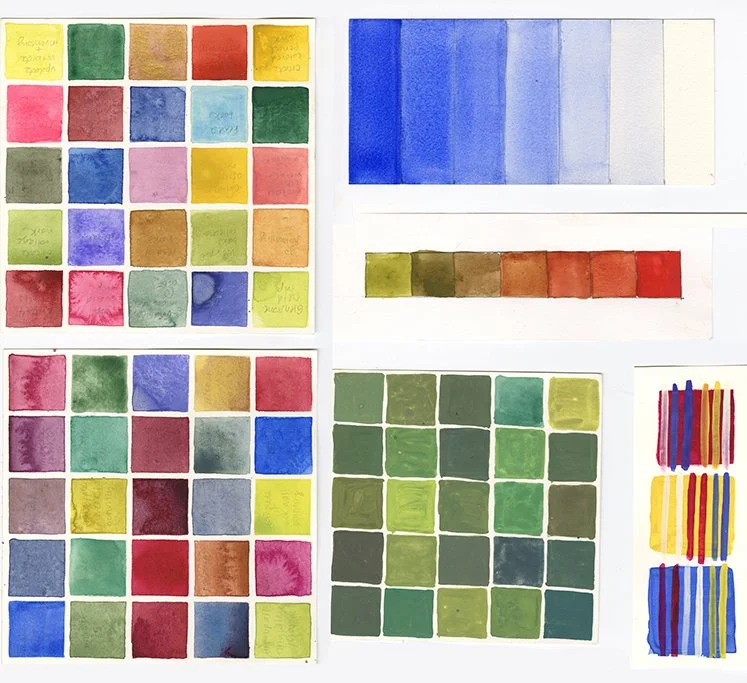
Bring a combination of transparent and opaque colors. Transparent colors, such as quinacridones, are especially beautiful when layered over textured surfaces. You can create a wonderfully rich palette using just the primary colors, along with white.

Suggested colors:

- Red: Cadmium Red, Alizarin Crimson, or Pyrrole Red
- Yellow: Cadmium Yellow, Lemon Yellow, or Hansa Yellow
- Blue: Ultramarine Blue, Cobalt Blue, or Cerulean Blue
- White: Titanium White

Optional colors include Quinacridone Magenta, Quinacridone Gold Hue, and any of your personal favorites. There is no need to purchase every color listed.

3. Acrylic Mediums

- Gloss Acrylic Polymer Medium
- Matte Acrylic Polymer Medium

We will use these mediums to adhere papers, extend paint, create transparent layers, and explore different surface finishes. I enjoy combining gloss and matte mediums to achieve a satin-like surface.

4. Painting & Mark-Making Tools

Bring a selection of tools for both preparing your surfaces and painting:

- Acrylic painting brushes in various sizes
- Palette knives
- Scrapers or silicone tools
- Old credit cards or plastic spreaders
- Soft brayers, if available
- Palette for mixing paints
- Rags or paper towels
- Any favorite or unusual mark-making tools

5. Painting Substrates

Please bring three canvases or wood panels, each no larger than 30 inches. We will prepare and develop these surfaces on Day One and use them for acrylic painting on Day Two. Because studio space is limited, each participant will have a six-foot table and an easel.

Optional preparation before the workshop:

Canvas: You may apply two or three additional coats of acrylic gesso, even if your canvas is already primed.

Wood panels: Raw wood panels should first be sealed with an appropriate acrylic polymer sealer. I use gloss polymer medium. Once dry, you may apply gesso.

Please leave some of your surfaces available for experimentation during our first day.

6. Water Container

Bring a bucket for rinsing your brushes and tools. I prefer a one-gallon bucket, such as an empty gesso container. Similar buckets are available at hardware stores.

7. Acrylic gesso

---

Materials Provided by the Instructor

The following materials will be available for shared use:

- Tissue paper
- Vintage book pages
- Newsprint
- Assorted collage papers
- Acrylic gesso
- Plaster for creating textured surfaces
- Student-grade canvas for experimentation

---

A Final Thought

Come prepared to experiment, explore, and embrace the unexpected!

On Day One, we will create surfaces filled with texture, gesture, and possibility. On Day Two, we will respond to those surfaces through painting, discovering how the layers beneath can influence the colors, marks, and compositions that emerge.

The surface is not simply where the painting begins—it becomes an active participant in the creative process.





-
Fees are due at the time of registration. You may cancel up to one week prior to the start of the class and the registration fee, less $25 for processing, will be refunded to you. Should you cancel less than one week before a class/workshop begins you will not receive a refund of any portion of the registration fee.
If MarinMOCA cancels a class/workshop, you will receive a full refund.
Saturday, October 31; 11am to 3pm
Instructor: Catherine Cruz
Materials Fee: An additional materials fee of $15 will be paid to the instructor